Construction Debris Removal
Clear mixed, nonhazardous building debris from remodels, repairs, and active job sites.
Plan an estimate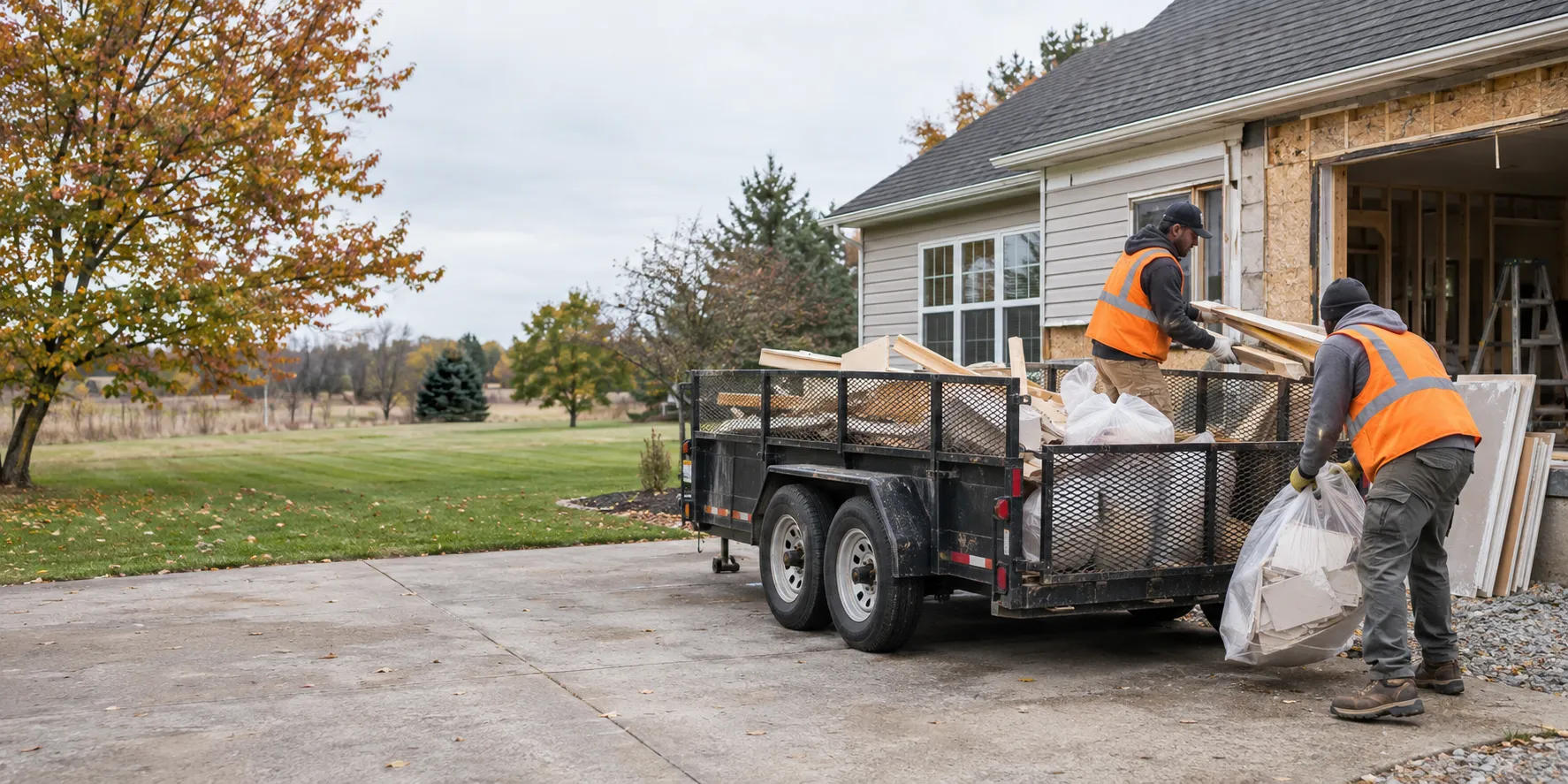
What the service can cover
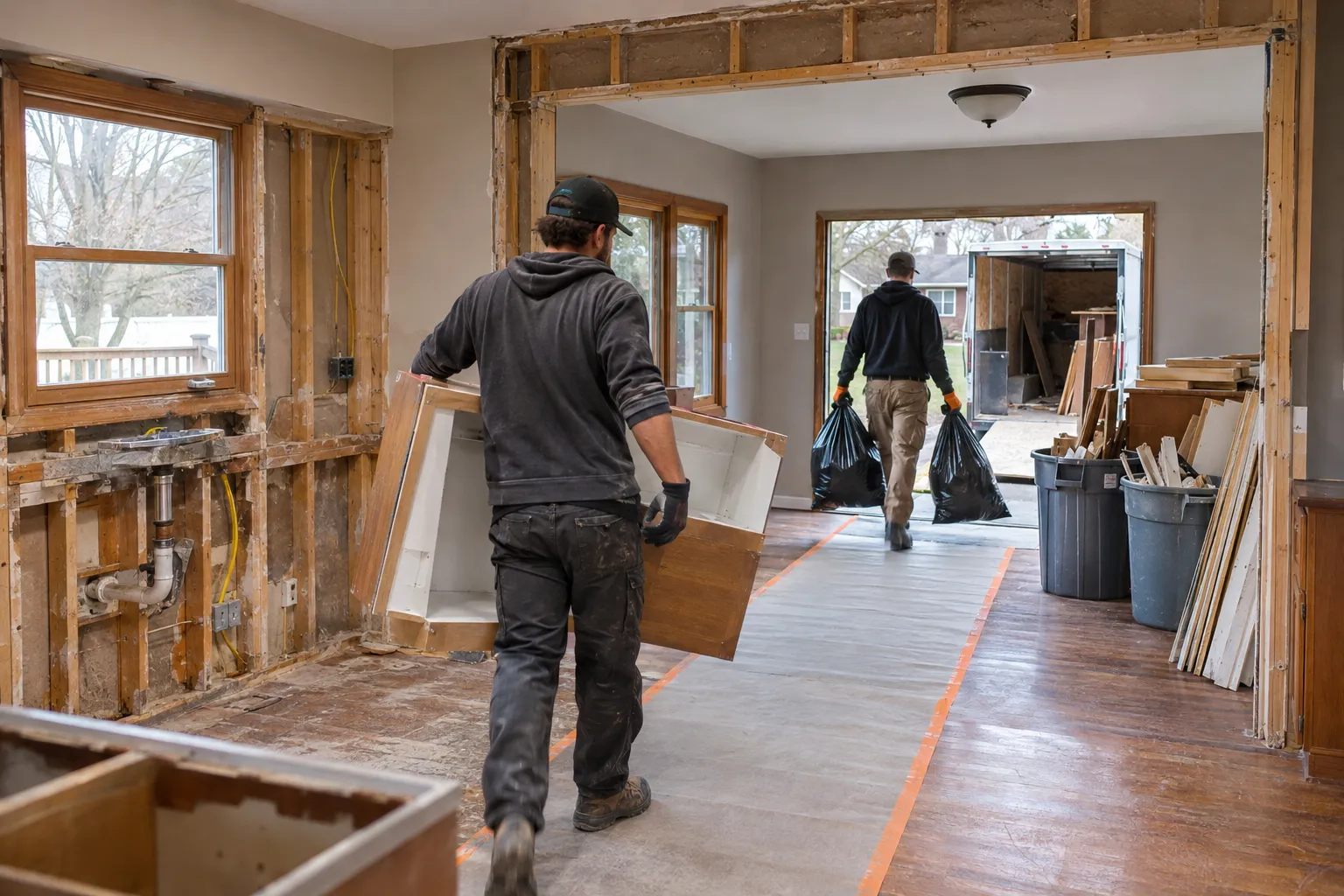
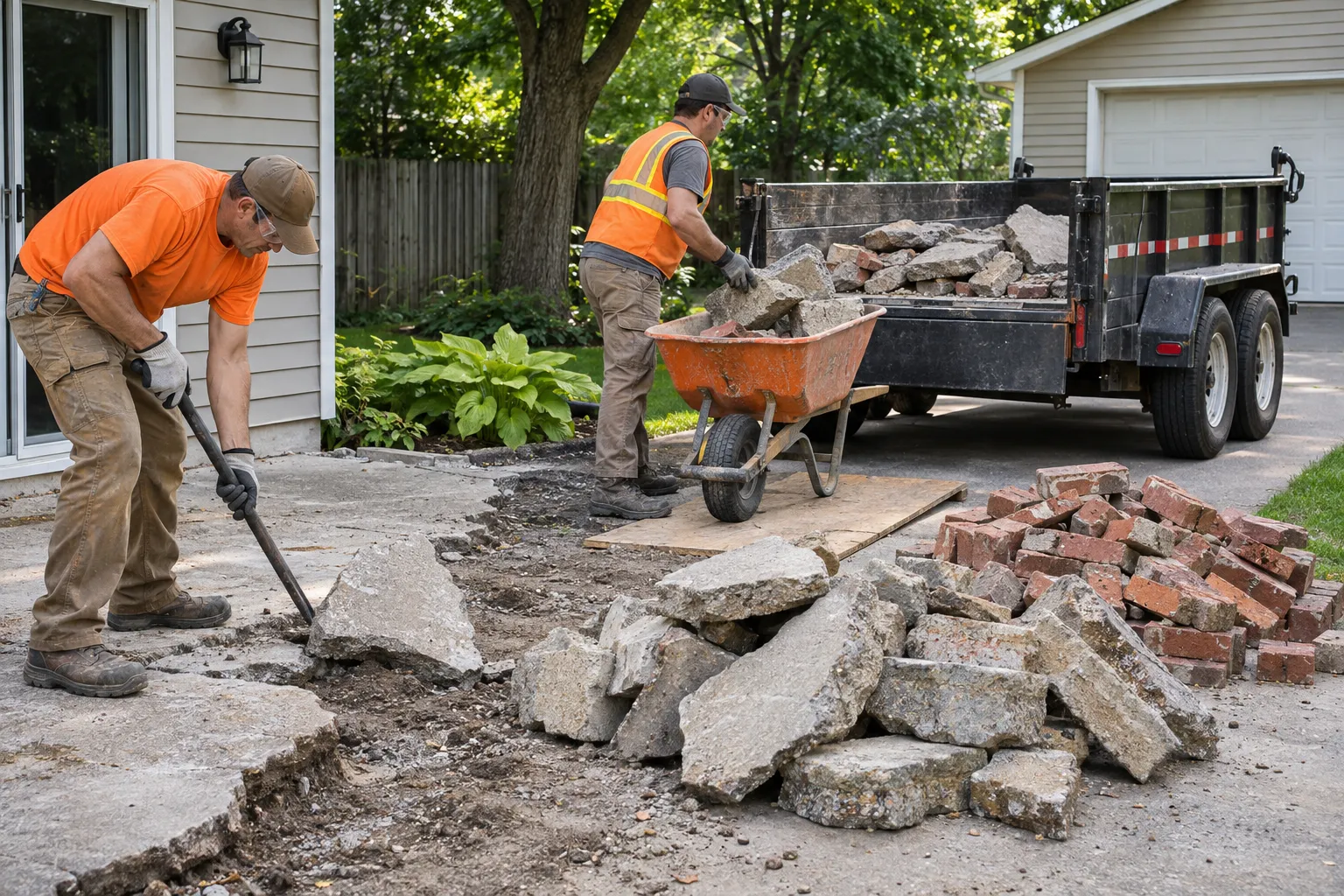
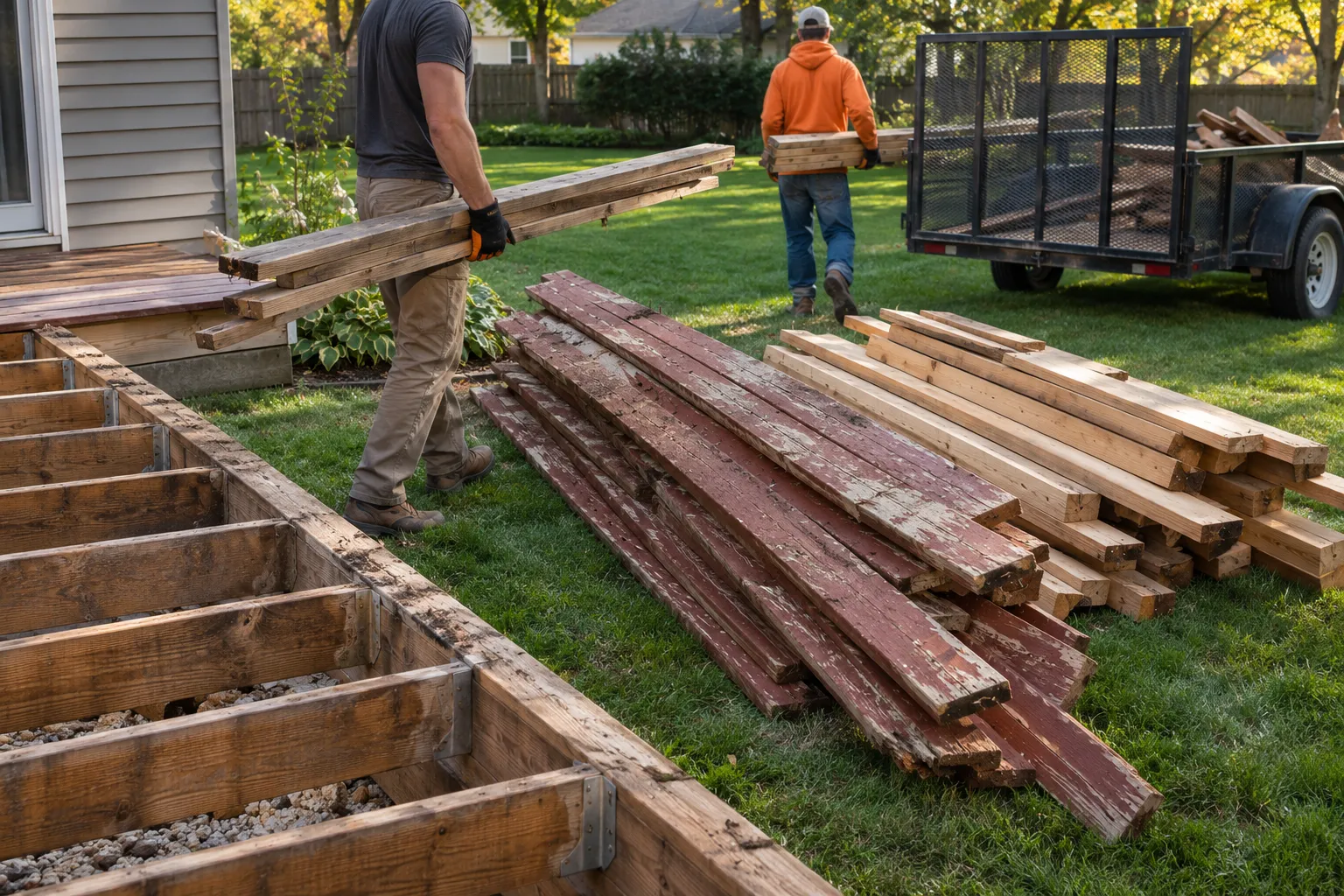
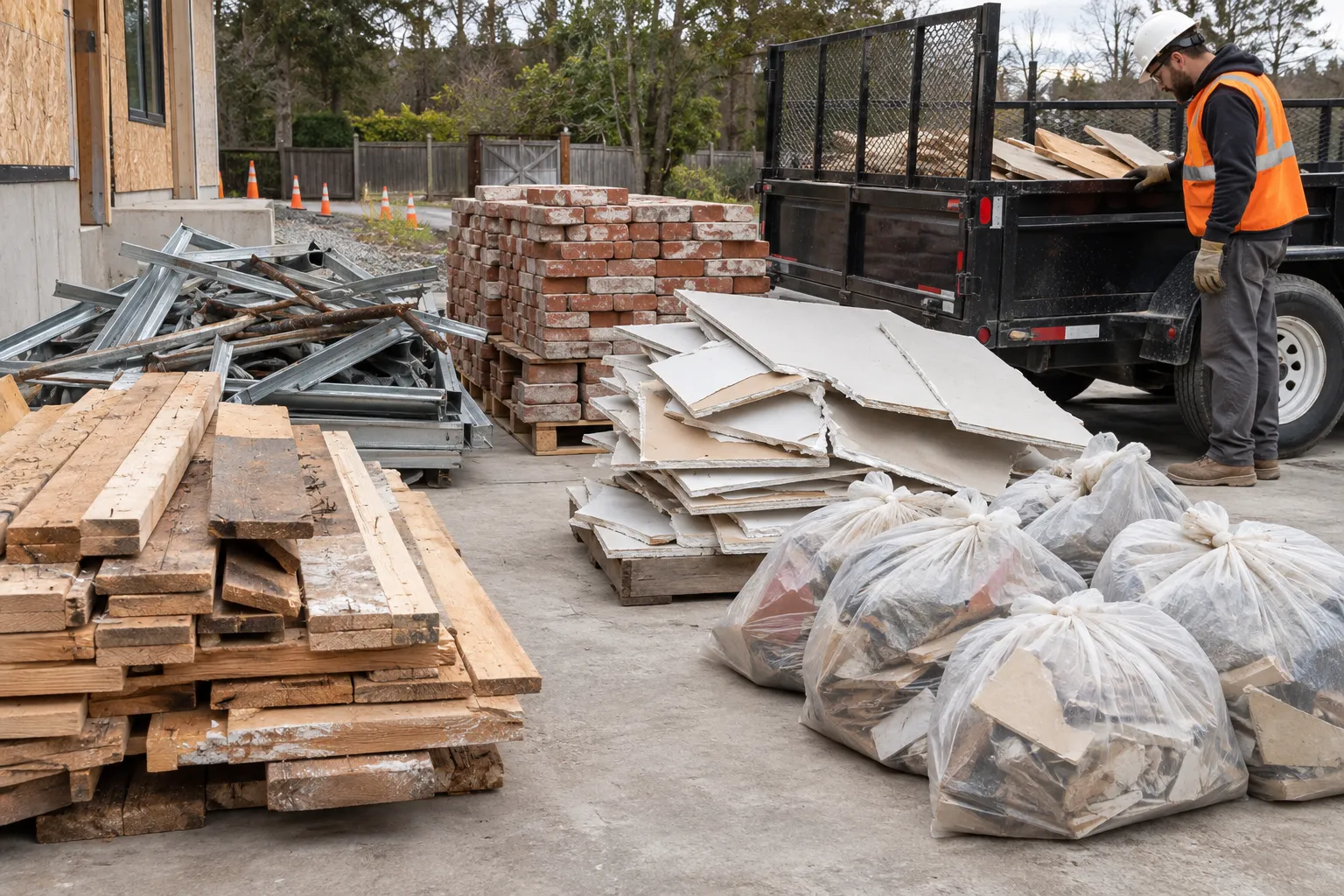
Lumber offcuts, drywall, fixtures, packaging, metal, brick, concrete, and other approved nonhazardous material.
The final plan depends on material condition, quantity, loading access, and available disposal or recovery routes.
Prepare the jobsite
Separate heavy masonry when practical, keep access lanes open, and identify painted or treated material before pickup.
- Keep stairs, doors, and passageways clear.
- Point out sharp edges, protruding fasteners, and unstable piles.
- Identify suspect or regulated material before it is moved.
- Reserve a practical loading position when possible.
What shapes the estimate
Material weight and volume are only part of the job. Carry distance, stairs, gates, protection for finished areas, trailer access, sorting, and disposal requirements also affect the work.
- Material
- Type, condition, density, contamination, and how it is mixed.
- Access
- Distance, slope, steps, doors, gates, and staging surface.
- Load
- Approximate volume, largest pieces, and whether reduction is needed.
Prepare before pickup
How to Sort Construction Debris Before PickupA practical sorting plan for wood, drywall, metal, masonry, and mixed debris.Questions before pickup
What construction debris do you take?
Approved nonhazardous materials can include lumber, drywall, fixtures, roofing debris, metal, clean brick, concrete, and mixed renovation waste. Share photos or a material list before scheduling.
What is not included?
Hazardous chemicals, unknown liquids, asbestos-containing material, lead-contaminated debris, and other regulated waste need separate assessment and handling.
How is an estimate prepared?
Volume, weight, material type, loading distance, stairs, gates, trailer access, labor, and disposal requirements all affect the estimate.
Should I sort the debris?
Sorting is helpful when practical, especially for masonry, metal, clean lumber, treated wood, drywall, and mixed waste.
Do you offer emergency service?
The operating business advertises 24/7 emergency availability. Actual timing depends on routing, crew capacity, and the material involved.
Plan around the actual load.
Tell us what was removed, how it is staged, and what the loading path looks like.